From PC World via MSN.com –
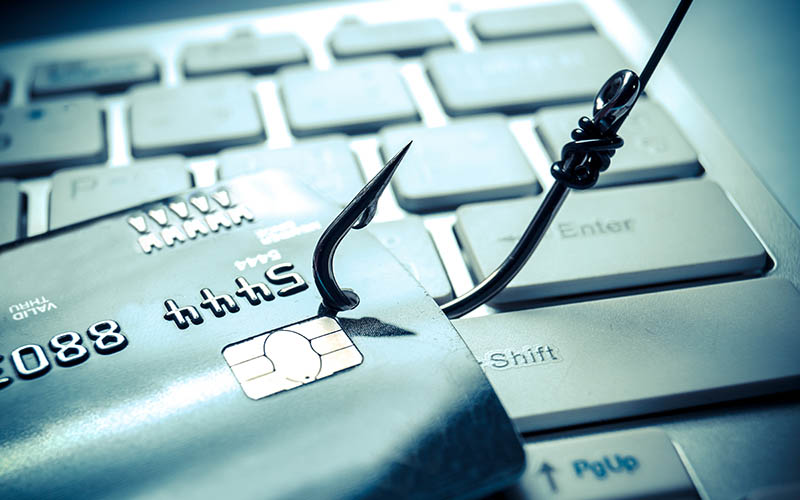
Phishing is alive and well in 2026, as even with robust antivirus and antimalware protections, the weakest link in the security chain is often the human element. We all make mistakes, skim an email and think it’s probably fine to click that link. But wait! Don’t do it! Phishing scammers rely on you not using due diligence to protect yourself, your data, and your devices with good personal security practices.
The best way to spot phishing emails is to know what to look for. Here’s a list of some of the big phishing red flags which should send you running when you spot them.
Asking for anything
For a scam to be worth doing, the scammers need to make money. For that, they need to get you to send them something of value. That can be in the form of cash, cryptocurrency, or Amazon gift cards, or something they can sell on later, like your passwords or digital identity.
Although friends and family may occasionally ask you for something, they probably aren’t going to do it over Facebook messenger, Email, or a Whatsapp message out of the blue. If you think it might be real, contact that person directly using another method and discuss it with them.
Don’t immediately respond with what they want. Take a pause and think it through first.
Urgency
The scammers best tool is urgency. Whatever it is they need, they need it RIGHT NOW. You need to respond, quickly. Do it before you stop and think about what they’re actually asking you to do. Do it before you remember to consider demands and urgency with caution and skepticism.
Although this tip is broad and doesn’t specify exactly what the scam might be like, many of them will encourage a swift response from you. Whatever it is the person claims to need, it’s incredibly rare that someone who needs something quickly will email or message you for it. If you’re concerned a digital account may be compromised, it’s still worth taking the time to login through a secure method rather than clicking the link in the email.
Whenever any email asks you to do something with urgency, take a second and consider whether this might be a scam. Look for other signs, and if in doubt, contact the person or organization through a different method that you know is safe and secure and confirm whether the request is legitimate.
…
Do you need an attorney to handle your Estate Planning, Probate, Special Needs, or Medicaid/Medicare issues? Find a qualified member of the Ohio Chapter of the National Academy of Elder Law Attorneys in the Ohio NAELA Directory.