New 18-month bridge program launches July 1, offering big savings for 3.8 million people with Part D coverage
From AARP — By Tony Pugh —
Medicare’s evolving coverage of GLP-1s for weight loss enters a bold new phase tomorrow.
Beginning July 1 and running through the end of 2027, a new pilot program will allow some Medicare
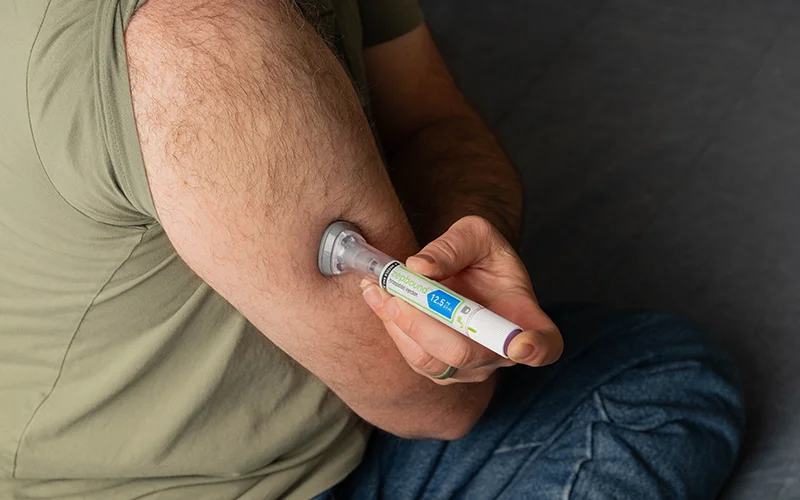
Part D prescription plan members who want to shed excess pounds and maintain weight loss to get Wegovy injections and tablets, Foundayo tablets or the Zepbound KwikPen for a $50 monthly copay.
The 18-month Medicare GLP-1 bridge program aims to make the popular yet costly GLP-1 drugs more accessible to eligible Part D plan members who meet specific medical criteria and are prescribed the drugs only for weight management. An estimated 3.8 million beneficiaries could be eligible for the program based on a new KFF analysis of 2023 Part D enrollment data released today.
But because the program operates outside of Part D plan coverage, the $50 copays will not count toward Part D deductibles or the $2,100 out-of-pocket Part D spending limit for 2026, says the Centers for Medicare & Medicaid Services (CMS). The copay also isn’t eligible for the
Medicare Prescription Payment Plan, which lets beneficiaries spread their out-of-pocket drug costs throughout the calendar year.
New GLP-1 coverage is not through Part D
Even enrollees in some
less common Medicare plan types can qualify if they also have a stand-alone Part D plan. This includes those in the Program of All-inclusive Care for the Elderly (PACE), available in some states, that allows people who need nursing home care to remain at home.
Most of Medicare’s roughly 57 million Part D plan enrollees are in eligible plans, CMS says. But the bridge program will rely on providers and pharmacists to identify potentially eligible beneficiaries and submit required forms.
An outside firm, Humana, will process program claims,
prior authorization requests and handle pharmacy payments, CMS says. Part D plans will not be part of that process.
“Not only do the costs not count toward your out-of-pocket cap, your deductible or anything like that, if there is a problem, you need to go to Medicare. You do not go to your plan. And that’s where I think there’s going to be some confusion,” says Leigh Purvis, prescription drug policy principal at AARP’s Public Policy Institute. “It’s going to get complicated quickly.”
AARP will help provide information about the program and follow its rollout for potential problems that Medicare enrollees may encounter in trying to access the benefit, Purvis says.
“There’s just a lot of places for things to potentially fall through the cracks,” she says.
CMS is alerting physicians and pharmacists of the new requirements and administrative workflow for the new program.
But “outreach is still needed to fully inform both patients as well as providers about the program,” says Anders Gilberg, senior vice president of government affairs for the Medical Group Management Association. The organization represents professionals who lead the business offices of roughly 15,000 medical practices.
…